



Essential Appliance Maintenance Tips to Keep Your Home Running Smoothly
- kumpuni2023
- 4 days ago
- 3 min read
Taking care of your home appliances is one of the smartest ways to save money and avoid unexpected breakdowns. When you maintain your appliances regularly, they last longer, work better, and use less energy. I’ve learned that a little effort goes a long way, and I’m excited to share some practical advice with you. Whether you’re dealing with a fridge, washing machine, or dishwasher, these essential appliance maintenance tips will help you keep everything in top shape.
Simple Appliance Maintenance Tips You Can Do Yourself
You don’t need to be a technician to perform basic upkeep on your appliances. Many maintenance tasks are straightforward and only take a few minutes. Here are some easy steps you can start with:
Clean the filters regularly. For example, your dryer’s lint filter should be cleaned after every load. This prevents fire hazards and improves drying efficiency.
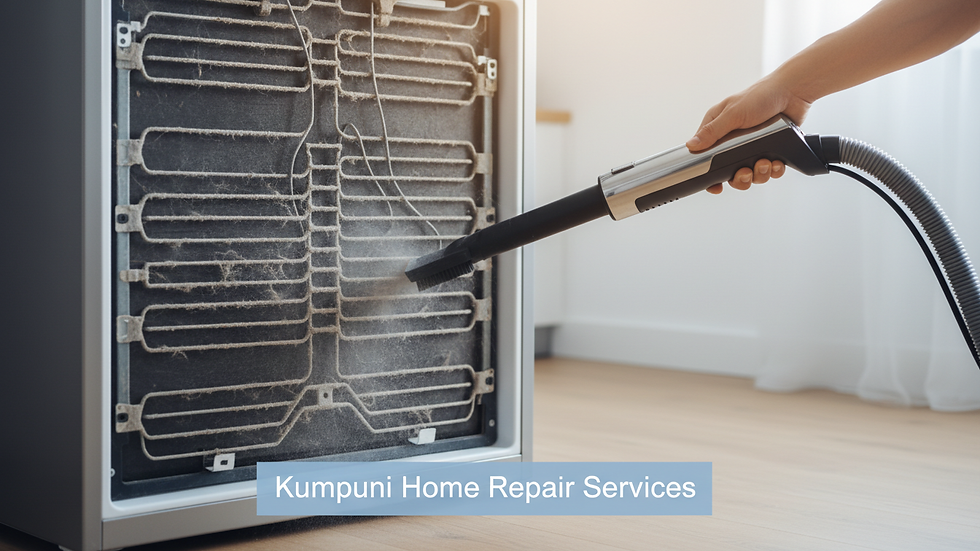
Check and clean refrigerator coils. Dust and dirt on the coils make your fridge work harder. Use a vacuum or coil brush every six months to keep them clean.
Inspect hoses and connections. Look for cracks or leaks in water hoses on your washing machine and dishwasher. Replace any damaged parts promptly to avoid water damage.
Wipe down seals and gaskets. Door seals on your fridge and oven can collect dirt and mold. Clean them with a mild soap solution to keep them airtight.
Run cleaning cycles. Many dishwashers and washing machines have self-cleaning cycles. Use these monthly to prevent buildup and odors.
These small actions can prevent bigger problems and keep your appliances running efficiently.
What is the 50 50 rule for appliances?
The 50 50 rule is a handy guideline to help you decide whether to repair or replace an appliance. It suggests that if the cost of repairing an appliance is more than 50% of the price of a new one, it’s usually better to replace it. This rule helps you avoid spending too much on an old appliance that might break down again soon.
For example, if your washing machine needs a $300 repair but a new one costs $500, replacing it might be the smarter choice. However, if the repair is $100, fixing it makes more sense. This rule isn’t absolute, but it’s a useful starting point when weighing your options.
How to Extend the Life of Your Appliances
Extending the life of your appliances means fewer replacements and less waste. Here are some tips that have worked well for me:
Use appliances as intended. Avoid overloading your washing machine or dishwasher. Follow the manufacturer’s instructions for load size and detergent amounts.
Keep appliances level. Uneven placement can cause vibrations and damage parts over time. Use a level tool to check and adjust feet if needed.
Avoid harsh chemicals. Use gentle cleaning products recommended by the manufacturer. Harsh chemicals can corrode surfaces and seals.
Schedule professional check-ups. Once a year, have a technician inspect your major appliances. They can spot issues before they become costly repairs.
Unplug appliances when not in use. This reduces wear on electronic components and saves energy.
By treating your appliances with care, you’ll enjoy their benefits for many years.

Energy-Saving Maintenance Practices
Maintaining your appliances isn’t just about preventing breakdowns - it also helps reduce your energy bills. Here are some energy-saving maintenance tips:
Defrost your freezer regularly. Frost buildup makes your freezer work harder. Defrost when the frost layer is about 1/4 inch thick.
Clean refrigerator door seals. Tight seals keep cold air in and reduce energy use.
Use the right settings. For example, wash clothes in cold water when possible and use eco-friendly dishwasher cycles.
Keep vents clear. Make sure dryer vents and air conditioner filters are clean and unobstructed.
Replace old appliances with energy-efficient models. When it’s time to replace, look for ENERGY STAR certified products.
These steps not only save money but also help the environment.
When to Call a Professional
Sometimes, an appliance problem is beyond DIY fixes. Knowing when to call a professional can save you time and frustration. Here are signs you shouldn’t ignore:
Strange noises or smells coming from the appliance
Water leaks or electrical issues
Appliances not turning on or heating properly
Frequent tripping of circuit breakers
Visible damage to cords or components
If you notice any of these, it’s best to get expert help. A professional can diagnose the issue safely and recommend the best solution.
Taking care of your home appliances doesn’t have to be complicated. By following these essential appliance maintenance tips, you can keep your appliances running smoothly, save money, and enjoy peace of mind. Remember, a little regular care goes a long way in protecting your investment and making your home more comfortable. Happy maintaining!


Comments