



Energy Efficiency Tips for Your Appliances: Simple Ways to Save Energy and Money
- kumpuni2023
- 4 days ago
- 4 min read
When I first started paying attention to how much energy my appliances use, I was surprised at how much difference small changes could make. Appliances are a big part of our daily lives, but they can also be a big part of our energy bills. The good news is, with a few practical tips, you can make your appliances work smarter, not harder, and save energy without sacrificing comfort or convenience.
Let’s dive into some easy and effective appliance efficiency tips that you can start using today.
Easy Appliance Efficiency Tips You Can Use Now
One of the best ways to save energy is to use your appliances more efficiently. Here are some simple habits and adjustments that can help:
Unplug devices when not in use: Many appliances and electronics draw power even when turned off. This is called "phantom load." Unplug chargers, coffee makers, and other small appliances when you’re not using them.
Use appliances during off-peak hours: If your utility company offers lower rates during certain times, try running your dishwasher, laundry machines, or other heavy appliances then.
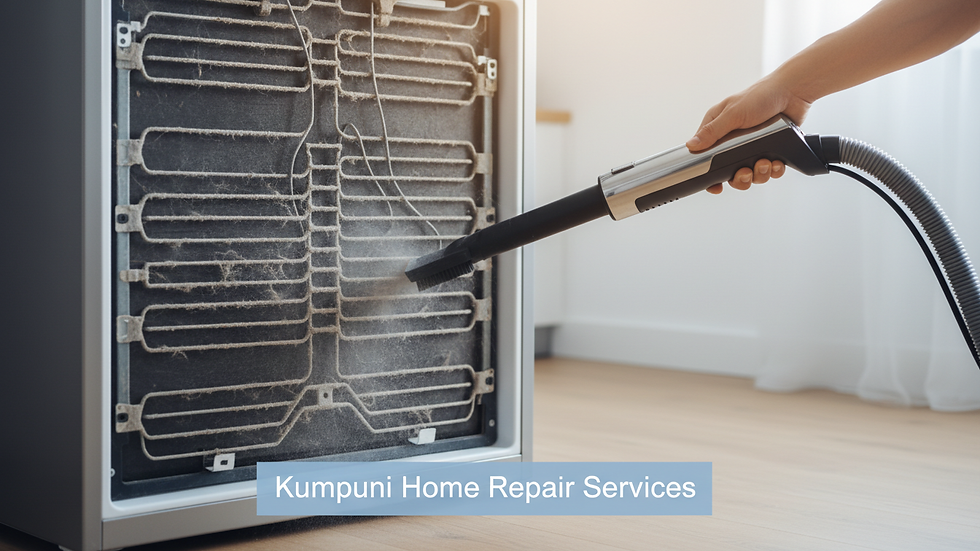
Keep appliances clean and well-maintained: Dust and dirt can make appliances work harder. Clean refrigerator coils, dryer vents, and oven filters regularly.
Use the right settings: For example, wash clothes in cold water instead of hot, and use eco or energy-saving modes on your dishwasher and washing machine.
Fill appliances to capacity: Run your dishwasher and washing machine only when they are full to maximize energy use per load.
These small changes add up over time and can reduce your energy consumption significantly.

How to Choose and Use Appliances for Maximum Efficiency
When it’s time to replace an appliance, choosing an energy-efficient model can make a big difference. Here’s what I look for and recommend:
Look for Energy Star certified appliances: These meet strict energy efficiency guidelines and use less power than standard models.
Check the energy label: It shows estimated yearly energy use and operating costs. Choose models with lower numbers.
Consider the size: Bigger isn’t always better. Pick an appliance size that fits your needs to avoid wasting energy.
Use smart features: Some appliances have timers, sensors, or smart controls that optimize energy use.
Avoid overcooling or overheating: For example, set your fridge temperature between 3-5°C and your freezer at -18°C for best efficiency.
Once you have an efficient appliance, using it properly is key. For example, defrost your freezer regularly to keep it running efficiently, and avoid opening the fridge door too often.
What's the most expensive thing to run in a house?
If you’re wondering which appliance costs the most to run, it’s usually the heating and cooling systems, but among everyday appliances, the clothes dryer often tops the list. Dryers use a lot of electricity because they generate heat for a long time.
Here are some tips to reduce dryer energy use:
Use a clothesline or drying rack when possible: Air drying is free and gentle on clothes.
Clean the lint filter after every load: This improves airflow and efficiency.
Dry full loads but don’t overload: Overloading makes drying less effective and wastes energy.
Use sensor drying if available: It stops the cycle when clothes are dry, preventing over-drying.
Spin clothes well in the washer: The higher the spin speed, the less water remains, so drying takes less time.
By paying attention to your dryer habits, you can cut down on one of the biggest energy users in your home.

How to Save Energy with Kitchen Appliances
The kitchen is full of appliances that can use a lot of energy if not managed well. Here are some tips to keep your kitchen efficient:
Use the microwave or toaster oven for small meals: They use less energy than a full-sized oven.
Keep your fridge and freezer full but not overcrowded: Food helps keep the temperature stable.
Avoid opening the fridge door frequently or for long periods: This lets cold air out and makes the fridge work harder.
Use lids on pots when cooking: This traps heat and cooks food faster.
Defrost food in the fridge or microwave instead of running the oven longer.
Run the dishwasher only when full and use energy-saving modes.
Small changes in how you use kitchen appliances can add up to big savings over time.
Smart Habits for Laundry and Cleaning Appliances
Laundry and cleaning appliances are essential but can be energy hogs if not used wisely. Here’s what I do to keep them efficient:
Wash clothes in cold water: Most detergents work well in cold water, and it saves the energy used to heat water.
Use shorter wash cycles when possible: Not every load needs a long wash.
Clean your washing machine regularly: This keeps it running efficiently.
Vacuum and clean your vacuum filters: A clean vacuum uses less energy.
Use a broom or mop for small messes instead of vacuuming every day.
By adopting these habits, you’ll reduce energy use and extend the life of your appliances.
Making the Most of Your Energy Efficiency Appliances
If you want to take your energy savings further, consider investing in energy efficiency appliances. These appliances are designed to use less energy without sacrificing performance. When combined with smart usage habits, they can significantly lower your energy bills.
Remember, saving energy is not about making big sacrifices. It’s about making small, smart choices every day. You’ll feel good knowing you’re helping the environment and keeping more money in your pocket.
Start with one or two tips today, and you’ll be surprised how quickly they become part of your routine.
I hope these appliance efficiency tips inspire you to take control of your energy use. With a little effort, you can enjoy a more energy-efficient home that’s kinder to your wallet and the planet.


Comments